
Tourism and urban transformation in the Algarve region
 15 January 2026
 The Algarve, a coastal region in southern Portugal, is not only a well-known Portuguese ‘thousand and one beaches’ summer destination, but it is also an area rich in culture and tradition. On this purpose, it must be preserved both nationally and internationally.
Over the past few decades, the urban and territorial transformation have undergone considerable and profound changes in a predominantly rural territory with scattered urban areas, appearing almost dispersed and isolated among fields, hills, crops, confined by the sea.
Nowadays, it is a territory with small and vibrant towns: the population has increased thanks to urban regeneration, better social services and quality of life, including local and international tourism development too.
Some urban clusters have embraced more dynamic economic tourism investments, such as those located near the coast in international Vilamoura, Vale do Lobo, and Quinta do Lago areas.
Other towns have instead focused their attention on the richness and uniqueness of the local territory, dedicating their interests to cultural and leisure activities linked to tradition, thus promoting creative tourism.
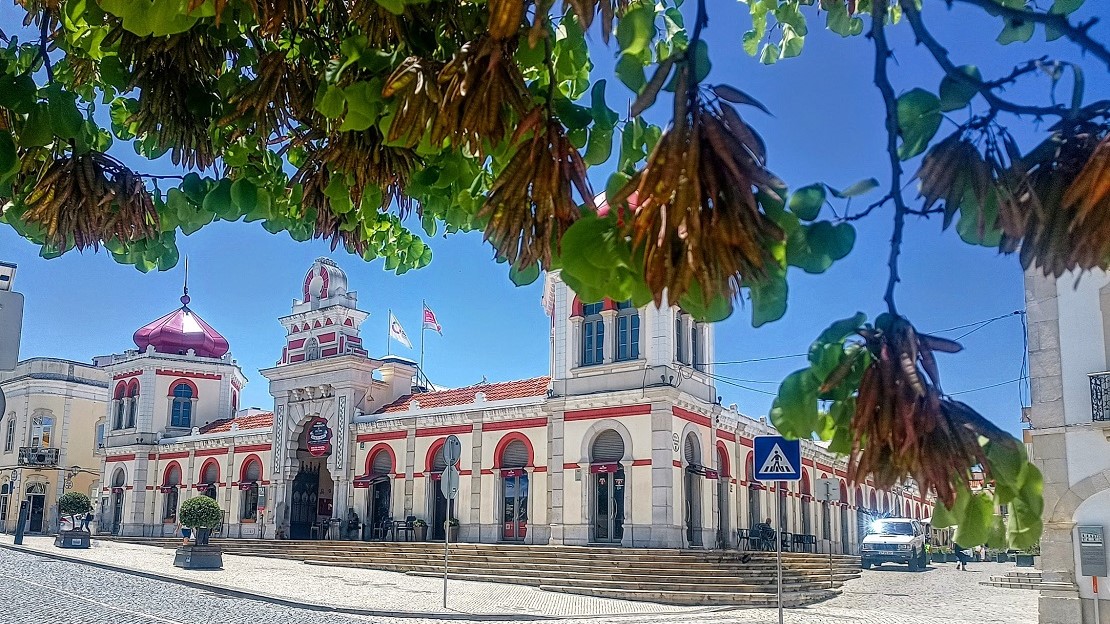
Loulè is the town which best represents this second typology of urbanization. Located in the hinterland, but not too far from the coast, it offers residents and tourists everything that is far from Portuguese high-season coastal mass-tourism.
Nowadays, it is a town which focuses on urban redevelopment as well as creative tourism at international level, thanks to the presence of its characteristic historic landmark market in a white Algarvian-Moorish enclosed courtyard, with eye-catching red-domed towers.