
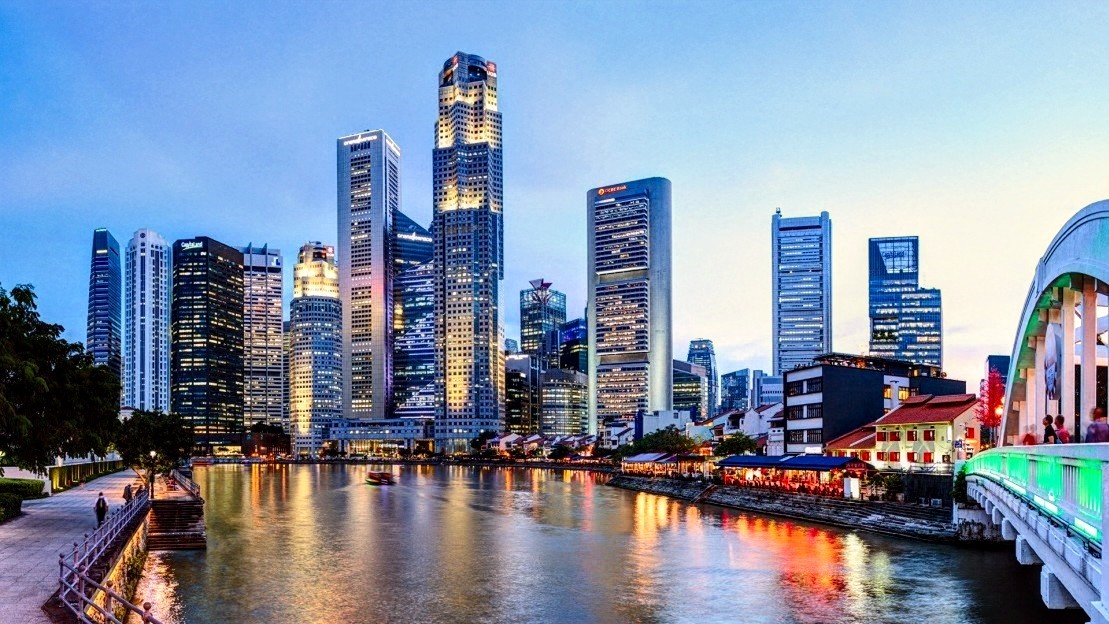
Asia: a hub of smart Nations
 10 January 2019
 Over the last five years, Asia has become one of the most favourite destinations to visit globally. According to recent statistics, asian cities are among the top one-hundred best places to see, thanks to the following factors: innovation, population density and territorial consideration as protagonists (China, for example).
Nowadays, Asia represents the economic ‘turning point’ towards a better future, with a 10% increase in the international tourism sector, i.e popular exotic destinations like Phuket with about 11 million arrivals, or Bali, best European leisure destination.
In fact, China seems to be the largest economic supporter thanks to its strategic geographical position and new visa regulations in favour of domestic tourism.
If we evaluate the business aspects of the above considerations, i.e number of visitors per year, there are millions of workers who prefer asian destinations above all, among which Hong Kong stands out first with a total of more than 25 million arrivals per year, followed by Singapore and Bangkok, exceeding 20 million visitors.
All of these metropolises are among the top destinations at international level. From 2016 to 2017 the global inbound tourism sector grew by 1% and it is expected to increase by 10% in 2020.
International tourism will be encouraged to consolidate domestic asian tourism as it is currently happening in China where inbound tourism is a predominant and stable economic resource.
As a matter of fact, China’s bordering Nations represent the real opportunity to create and encourage new tourism trends at international level, i.e visitors coming from abroad to visit China for different reasons.
A tourism of the future? According to recent statistics, it is an on going challenge for China and other asian Nations too, representing the new tourist destinations of the future.