
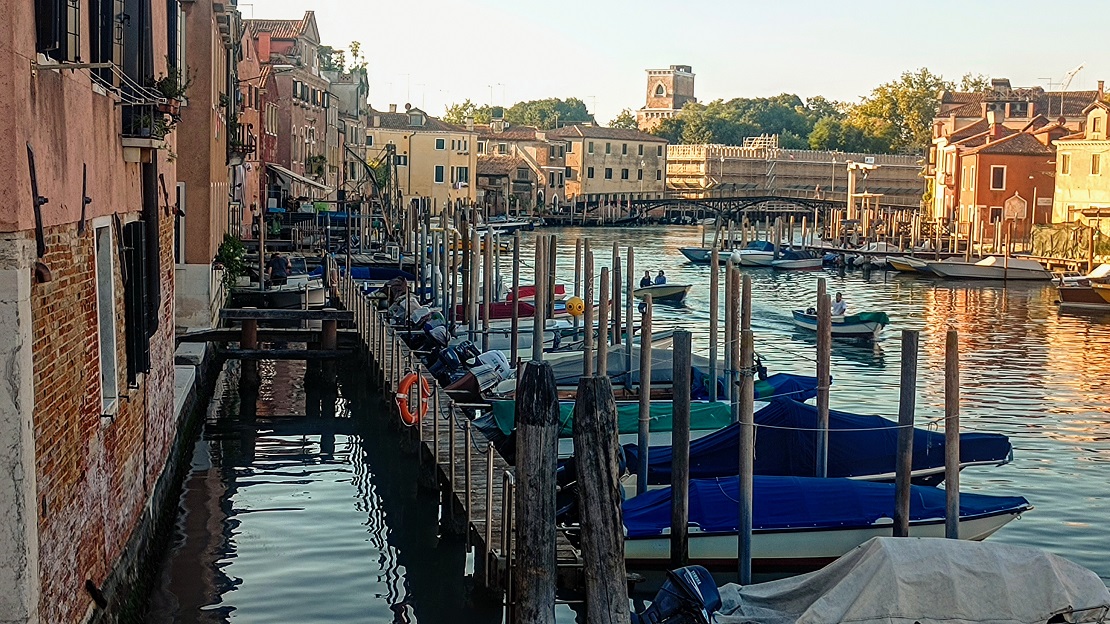
The humanized urban cohabitation nowadays
 15 October 2025
 What better places than the ‘Arsenale’ and the ‘Giardini’ at the ‘Venice – Biennale of Architecture 2025’ to best showcase the interactions among ‘Intelligence’, ‘Nature’ and ‘Technology’?
An interesting interconnection and exchange among three different and fundamental aspects of architecture which include the relevance of urban and landscape design in cities and surrounding areas.
According to the ‘Biennale 2025’, what is innovative? What about the tourism sector? Indeed, even architecture is relevant in the travel context as urban tourism demands, because public spaces can become more dynamic and comfortable areas where to live or visit for both residents and tourists.
What’s new today that was just a vague idea before? Certainly, visitors can learn the importance of cities interacting with nature, to preserve the environment and not to destroy it as it happened in the past, to protect nature against the rapid climate change and its dangerous consequences.
New urban design allows the reuse of waste materials from civil engineering in a highly-productive circular economy, emphasizing better air quality, the efficient use of water, soil, and the respect of nature as a ‘human element’ in urban design and as an essential living part of buildings, an indoor and outdoor human habitat.
What a fantastic vision for a more sustainable and welcoming urban context! Buildings and houses become humanized and alive, as integral parts of cities and more promising ecological investments in critical towns and villages around the world, including developing countries where living conditions are challenging or more risky.
Nowadays, these urban projects aim to be turning points in sustainable cohabitation, respecting the environment and promoting smart energy savings.